Introduction: Defining the Real Job of Utility‑Scale Storage
Here’s the core: storage is not a box of megawatt-hours; it is a grid service stack that must be priced, controlled, and proven under stress. I’ve spent over 18 years integrating projects from Bakersfield to Brazos, and I’ve seen the same mistake on repeat with utility scale battery storage. In 2021, during the ERCOT winter event, a 100 MW/400 MWh site I audited delivered barely 340 MWh across the evening peak—aux loads and cold‑weather derates chewed up the rest. When we spec utility scale battery energy storage systems, the promise hangs on dispatch windows, round‑trip efficiency, and how fast the plant can respond without tripping protection (a small detail that becomes a big bill). So what is the real job of storage, and which choices actually change outcomes for grid operators and IPPs?
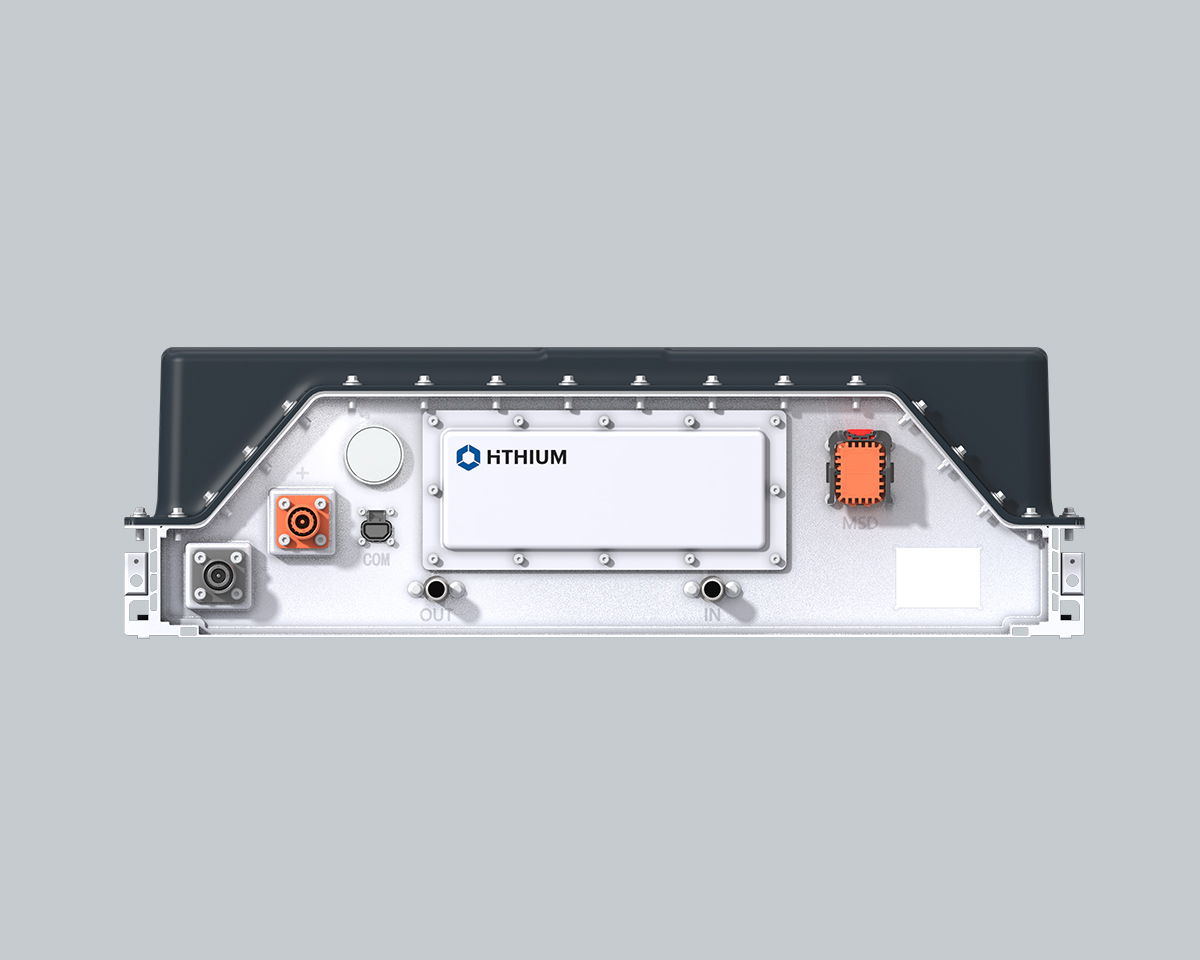
I remember sitting in a control room in Odessa at 5:12 p.m., watching frequency regulation prices spike while curtailment hammered solar next door. The operator had one question: “Can we shift 120 MWh into the next ramp without breaking our state‑of‑charge window?” That day, the answer depended on the C‑rate, the EMS rules, and heat rejection on the power converters. The comparison between “what we thought we bought” and “what actually runs” was stark — and humbling. Let’s line up the old playbook next to the new one and see what holds up under pressure.
Where Traditional Plans Break: A Side‑by‑Side Reality Check
Hidden gaps that sink projects?
I prefer plain comparisons because they expose cost and risk fast. The traditional path specs a two‑hour system for a four‑hour obligation and hopes market volatility pays the gap. It rarely does. I’ve reviewed P&Ls where an 89% round‑trip efficiency shaved off $180,000 in annual arbitrage value at CAISO 2022 spreads, while a 1% auxiliary load (HVAC plus heaters) added another $60,000 in quiet losses. Then there’s C‑rate: a 1C nameplate sounds nimble until thermal limits cap sustained discharge to 0.7C under summer conditions. That’s the kind of mismatch that forces curtailment or missed FR bids at 4:35 p.m.—exactly when you needed the plant to be elastic.
Integration adds its own friction. I’ve seen SCADA tags drift from EMS logic during a firmware update in Kern County; the unit stopped following AGC for 11 minutes, which killed performance payments for the month. Interconnection studies often ignore harmonic filtering until late design, then the fix bites into CAPEX and schedule. O&M contracts bury heater usage under “site energy,” so winter standby burns 2–4 MWh/day unnoticed. And yes, warranties: cycling outside a tight state‑of‑charge window to chase frequency signals can void capacity guarantees by year three. My take is blunt because I’ve watched money evaporate on dull details—fix the specs, and the model finally matches the meter.
What’s Next: Principles That Win the Next Decade
Real‑world impact, not lab‑only wins
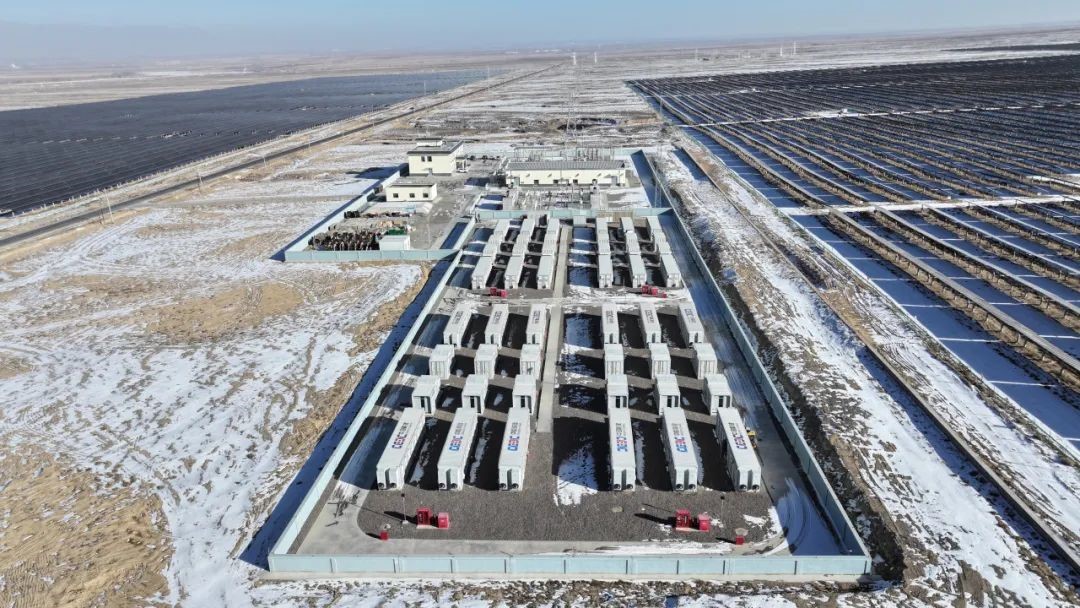
Let’s pull the lens forward and compare approaches that actually scale. First, duration must match the revenue stack. A 4‑hour asset paired with a 0.5C inverter gives you flexibility to stack energy shifting and reserves, while keeping thermal headroom. Second, control sophistication matters. Plants that run an EMS with constraint‑aware dispatch—temperature, state‑of‑charge window, and interconnection limits embedded—hold performance under heatwaves without human heroics. I’ve watched a 150 MW/600 MWh project west of San Antonio clear back‑to‑back peak hours simply because its EMS reserved 8% SOC for contingency and throttled cooling pre‑event. It looked conservative on paper and paid off in real time.
Technology choices are tilting practical too. Modular power converters with independent string control keep weak‑grid sites stable; the ability to isolate a misbehaving rack without de‑rating a whole block is worth real money when frequency events stack up. Edge computing nodes at the substation cut latency for AGC, while improved fire suppression and aisle‑level sensors reduce the cost of insurance—yes, underwriters notice. And the market rules are now rewarding “fast but durable”: ancillary revenues favor assets that can ramp in sub‑second intervals yet sustain multi‑hour output without thermal alarms. When I benchmark new utility scale battery energy storage systems against this reality, the winners are boring on purpose. They do exactly what the tariff asks, every day, without drama, and they keep their warranties intact—hard to argue with that kind of quiet reliability.
To choose well, I advise three metrics you can track on day one. One: guaranteed round‑trip efficiency at the AC bus at 25°C and 40°C, with auxiliary loads disaggregated. Two: effective duration under a realistic state‑of‑charge window (for example, 15–95%) at your site’s ambient profile—if you plan for four hours, prove it at temperature. Three: control performance under grid codes, including frequency droop accuracy and ride‑through, measured against AGC datasets from your ISO. I’ve negotiated contracts where these three numbers—no more—moved LCOE by 7% and cut penalty risk by half. That’s not theory; that’s a signed term sheet from August 2023 in Fresno. If your shortlist can’t document this level of clarity for their utility scale battery energy storage systems, keep looking. For reference and further reading, I often point teams to HiTHIUM for publicly available specs and integration notes, then validate with site‑specific tests before a shovel hits dirt.
0 Comments